
Collection model:
Home composting promoted in single-unit houses since 2014 (92.3% uptake by 2023). Bi-weekly door-to-door kitchen waste collection since 2021 in apartment buildings (10-L QR-identified caddies). Garden waste drop-off at municipal centre.
Treatment model:
Home composting (on-site; composters 290–800 L distributed). Separately collected kitchen and garden waste treated via composting.
Key elements:
Citywide home composting strategy (pilot 2014, scaled up); mandatory workshop attendance to receive composter; regular residual waste analyses; QR-based caddy identification and inspection; strict contamination control (non-compliant bags not collected); continuous compostable bag supply.
Evidence of success:
(2022–2023 data) 39.2% MSW separate collection rate. Kitchen waste collected: 17.8 kg/inhab./yr (city avg.). Impurities: 0.07%. 92.3% of single-unit houses practising composting.
Awareness and engagement:
Pilot-based approach with pre-implementation surveys and residual waste analyses. Door-to-door campaigns, public workshops (40+), neighbourhood meetings and incentive competitions. Multi-channel communication (leaflets, local media, municipal TV, dedicated website). Structured starter-pack distribution with in-person explanation and QR registration. School workshops and summer activities. Communication budget: ~1% of municipal waste expenditure.
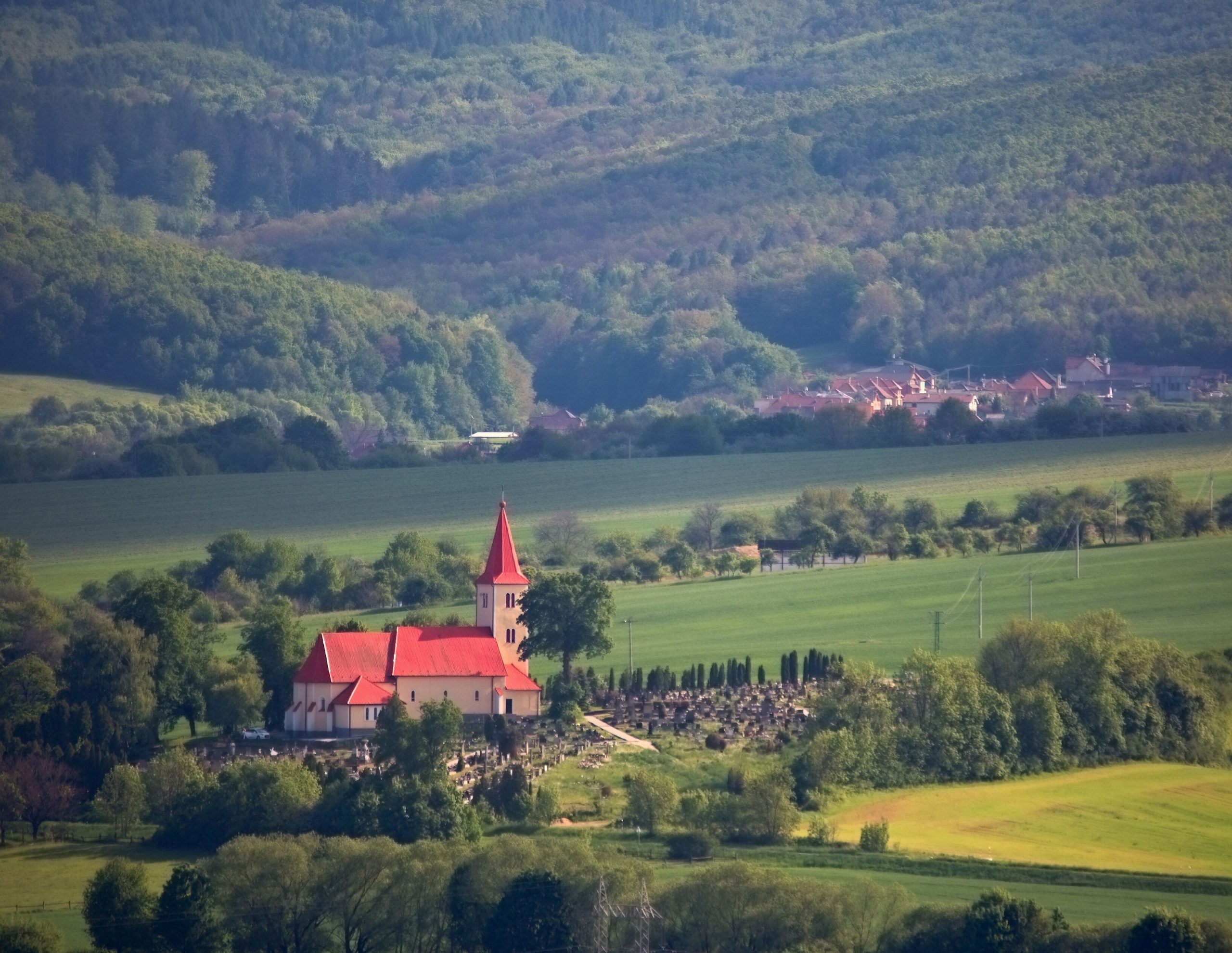
Slovakia
Scale: Local (municipal)
Demographic type: Urban
Population: 20,871 inh.; 935.5 inh./km² (2021)
Organisation in charge: Municipality of Partizánske
Source:
LIFE BIOBEST (2024). D3.4 Country Factsheets on the analysis of communication and engagement practices.