
Collection model:
Pilot area: source-separated bio-waste supplied by local hospitality partners (restaurants and hotels) and municipal pruning residues delivered to a community composting site.
Treatment model:
Community composting at La Torre d’en Dolça park using 24 composters (1 m³ each; one for structural material); capacity ~80 t bio-waste/year.
Key elements:
Pilot composting site developed by FiTEI with support from ARC and the municipality; integration of tourism-sector bio-waste; provision of shredded pruning as structural material; strong social-inclusion component through training and employment in composting.
Evidence of success:
Operational facility treating up to 80 t/year of bio-waste and producing high-quality compost. During the 2021–2023 SIRCLES project, 24 people were trained and 12 employed in composting activities.
Awareness and engagement:
Training programmes and practical workshops on community composting targeting NEETs and women at risk of labour exclusion; on-site learning activities and collaboration with hospitality businesses and local authorities. Replication agreement signed with a nearby educational campus.
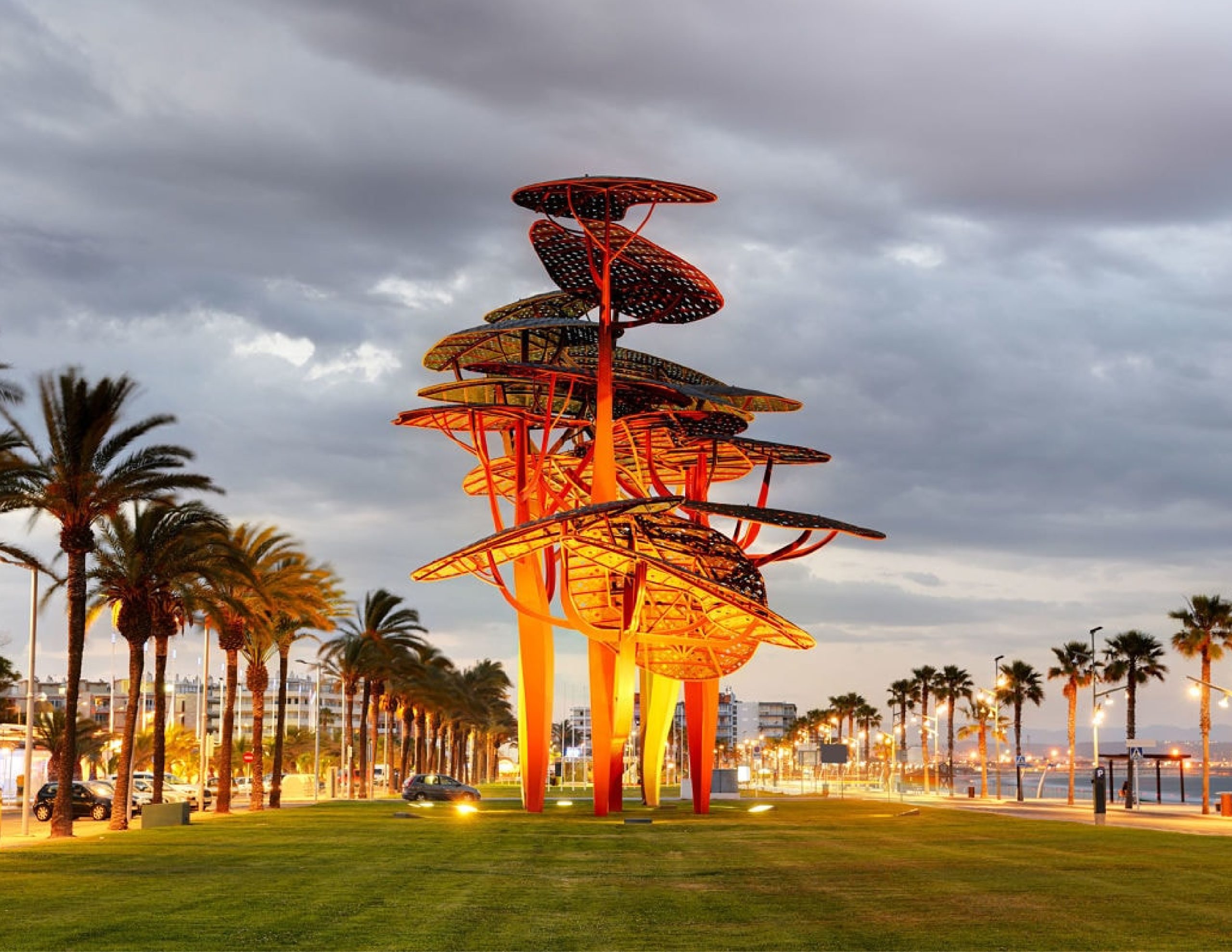
Catalonia, Spain
Scale: Local (municipal)
Demographic type: Urban / touristic
Population: 24,061 inh.; 1,112 inh./km²(2024)
Organisation in charge: FiTEI (Training and Insertion Labour Company); Vila-seca Municipality; Catalan Waste Agency (ARC)
Source:
SIRCLES (2023): Supporting Circular Economy Opportunities for Employment and Social Inclusion Good Practices Booklet.