
Collection model:
Door-to-door three-bin system (residual, recycling, kitchen waste) in designated “third-bin” areas; optimisation pilot (2014–2015) in ~8,000 households in Sligo town.
Key elements:
Pilot-based optimisation of collection and education tools; 7-L kitchen caddies (vented or solid), compostable bags and customised leaflets; pre- and post-intervention waste characterisation and bin presentation surveys; dedicated Waste Management Advisors for door-to-door engagement; systematic contamination monitoring.
Evidence of success:
(2014–2015 pilot data) Brown‑bin set‑out rate increased from 37% to 70%. Participation doubled in areas receiving tools and awareness support. Kitchen waste capture increased up to +1.93 kg/household/week. Impurities reduced from 17% to 2.5% on average. Kitchen waste in residual waste reduced from 39% to 29%.
Awareness and engagement:
Structured awareness campaign including teaser and customised information leaflets (brownbin.ie), launch event with compost giveaway, and local media coverage. Face-to-face door-to-door engagement by trained Waste Management Advisors (6,000 households). Comparative testing of communication intensity across zones demonstrated that provision of caddies and direct engagement significantly improved participation and reduced contamination.
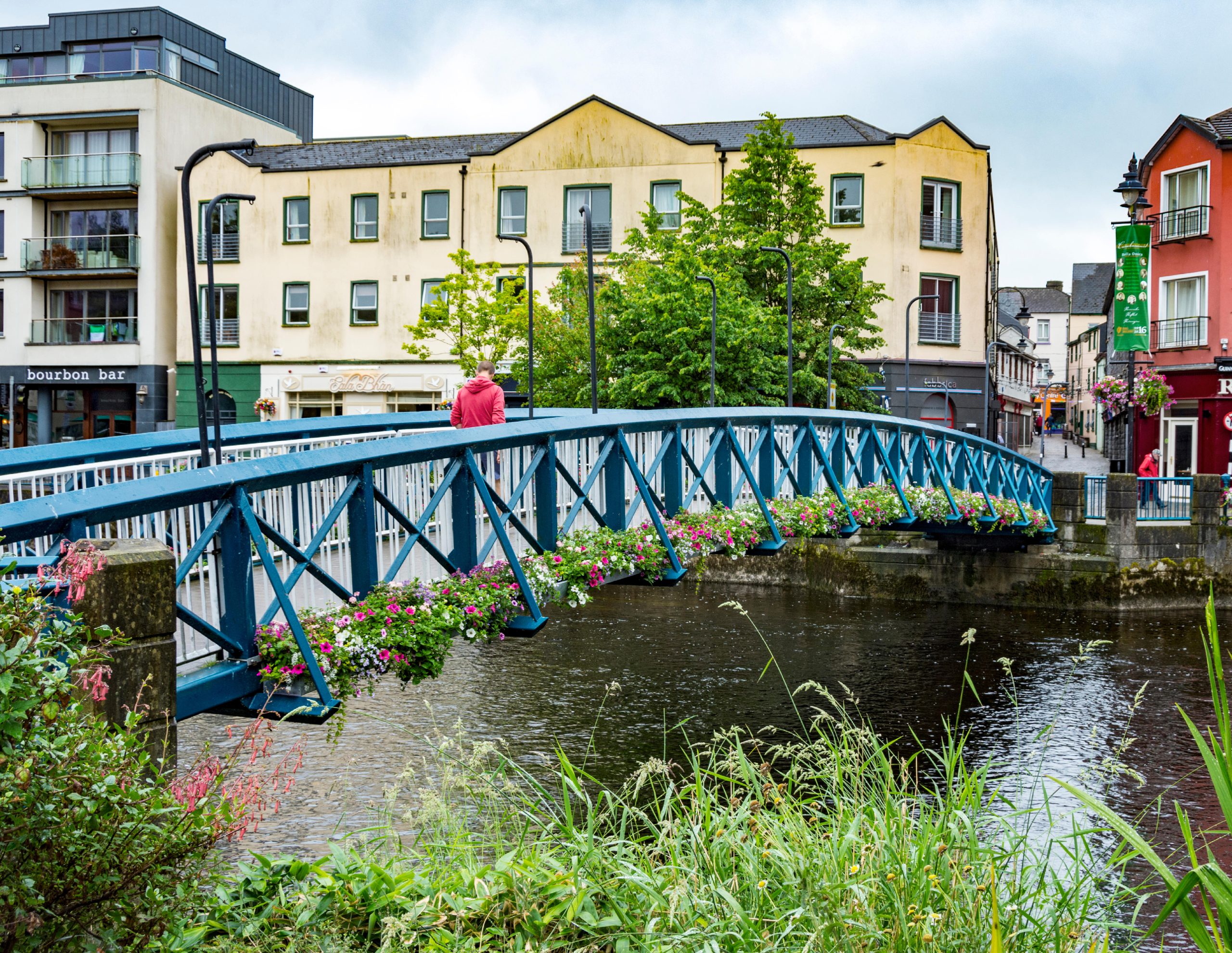
Ireland
Scale: Local (municipal)
Demographic type: Urban
Population: 20,608 inh.; 2,000 inh./km² (2022)
Organisation in charge: Sligo County Council
Source:
LIFE BIOBEST (2024). D3.4 Country Factsheets on the analysis of communication and engagement practices.