
Collection model:
Source-separated collection of household fermentable waste (food waste) from ~1,000 residents through dedicated brown bins.
Treatment model:
Food waste dried and shredded to produce FORBI (Food Residue Biomass); biomass used for multiple valorisation pathways including biofuel production, co-composting with pruning waste, and alternative fuels.
Key elements:
Pilot initiated in 2016 (Waste4Think project): production of FORBI, a dry, homogeneous biomass (~25% of original weight) that can be stored without deterioration; evaluation of multiple valorisation pathways (gaseous, liquid and solid biofuels); demonstration of circular bioeconomy concept with waste collection vehicles powered by bio-CNG derived from FORBI.
Evidence of success:
Food waste source separation increased by ~50% within six months; contamination below 2%; landfill disposal for participating households reduced to <15%; anticipated reduction of waste-management costs by ~36%; up to 80% reduction in CO₂ emissions.
Awareness and engagement:
Targeted awareness campaign and restricted access to brown bins for informed participants; citizen engagement through the Waste4Think pilot to promote food-waste separation and circular bioeconomy concepts.
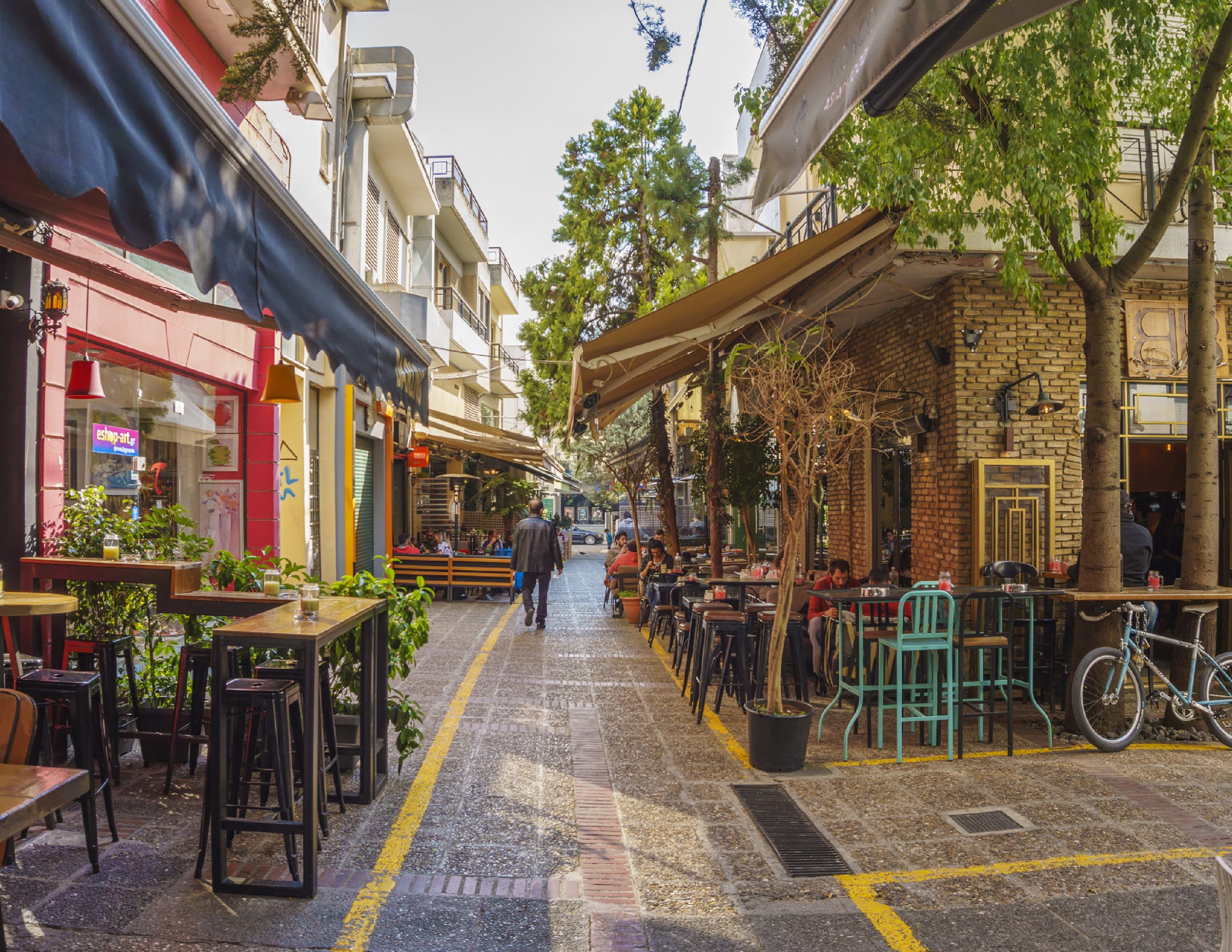
Greece
Scale: Local (municipal)
Demographic type: Urban / peri-urban
Population: 77,102 inh.; 7,136 inh./km² (2021)
Organisation in charge: Municipality of Halandri
Source:
SIRCLES (2022): Guideline of Best Practices for Successful bio-waste Recycling.
INCIRCLE Knowledge Platform (Best Practices), 2024.