
Collection model:
Voluntary community composting scheme at university campuses. Participants register and receive a bucket and compostable bags to collect organic waste, which is deposited at designated composting points where quantities are monitored.
Treatment model:
On-site community composting at university campuses and participating municipalities; compost used locally for campus green areas, gardens and educational activities.
Key elements:
The Campustaje‑ULL initiative promotes decentralised bio‑waste management through university‑led community composting. Campuses act as living labs for sustainability, with students, staff and local residents collaborating to monitor organic waste and embed composting into university policies.
Evidence of success:
Expansion from an initial campus pilot to a network of 18 composting points across several municipalities (La Laguna, Tegueste, Tacoronte, El Rosario). Identified significant bio-waste potential from campus facilities (e.g. cafeteria residues).
Awareness and engagement:
Active outreach through university sustainability initiatives, composting seminars, workshops, exhibitions (e.g. Campustaje-ULL exhibition), service-learning activities and World Soil Day events organised by ULL. Strong social media presence (Instagram @campustaje.ull). Communication emphasises student engagement as agents of change, promoting awareness of bio-waste valorisation and the circular use of compost in campus green areas and gardens.
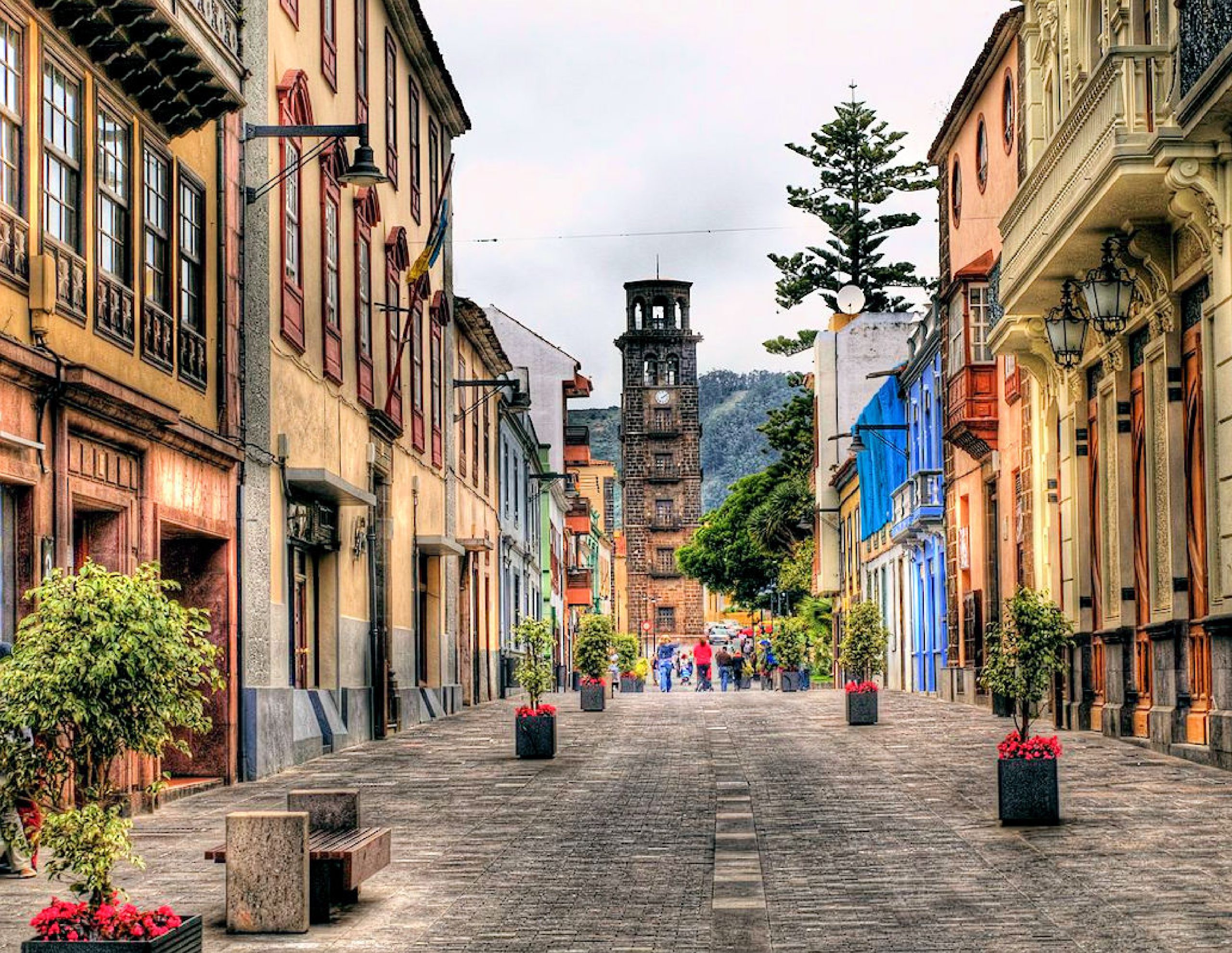
Tenerife, Spain
Scale: Local (campus / institutional)
Demographic type: Urban (university campus)
Population: University community and local participants (open participation)
Organisation in charge: Universidad de La Laguna (ULL)
Source:
Universidad de La Laguna (ULL); Campustaje-ULL project page; Instagram @campustaje.ull