
Collection model: Mixed systems combining door-to-door (≈350 municipalities) and container-based systems with user identification (≈70 municipalities); open containers and home/ community composting in small or rural areas. 100% population coverage (95% collection service; 5% self-composting).
Treatment model: 22 composting plants and 4 AD plants; total capacity 550,000 t/year (2021). 409,857 t bio-waste treated in 2023.
Key elements: Landfill/incineration tax with refund mechanism linked to impurity reduction; PAYT/SAYT pilots in some municipalities; compostable liners in selected municipalities; flat household fee generally applied; strong regional communication support.
Evidence of success: (2021–2023 data) 46.6% MSW separate collection rate. Bio-waste diversion: 32%. 100% population coverage. Impurities: 4.7%. Extensive monitoring (>1,800 characterisations/year).
Awareness and engagement: Regional communication framework led by ARC, making communication plans mandatory for grant eligibility. Required content includes environmental benefits, service guidelines, economic aspects and the full bio-waste cycle. Shift from “how” to “why” narrative. Large-scale and annual regional campaigns (e.g. Si l’orgànica va al marró bé!), supported by multi-language educational materials and customisable templates for municipalities. Multi-channel outreach (posters, radio, TV, social media, online platforms).
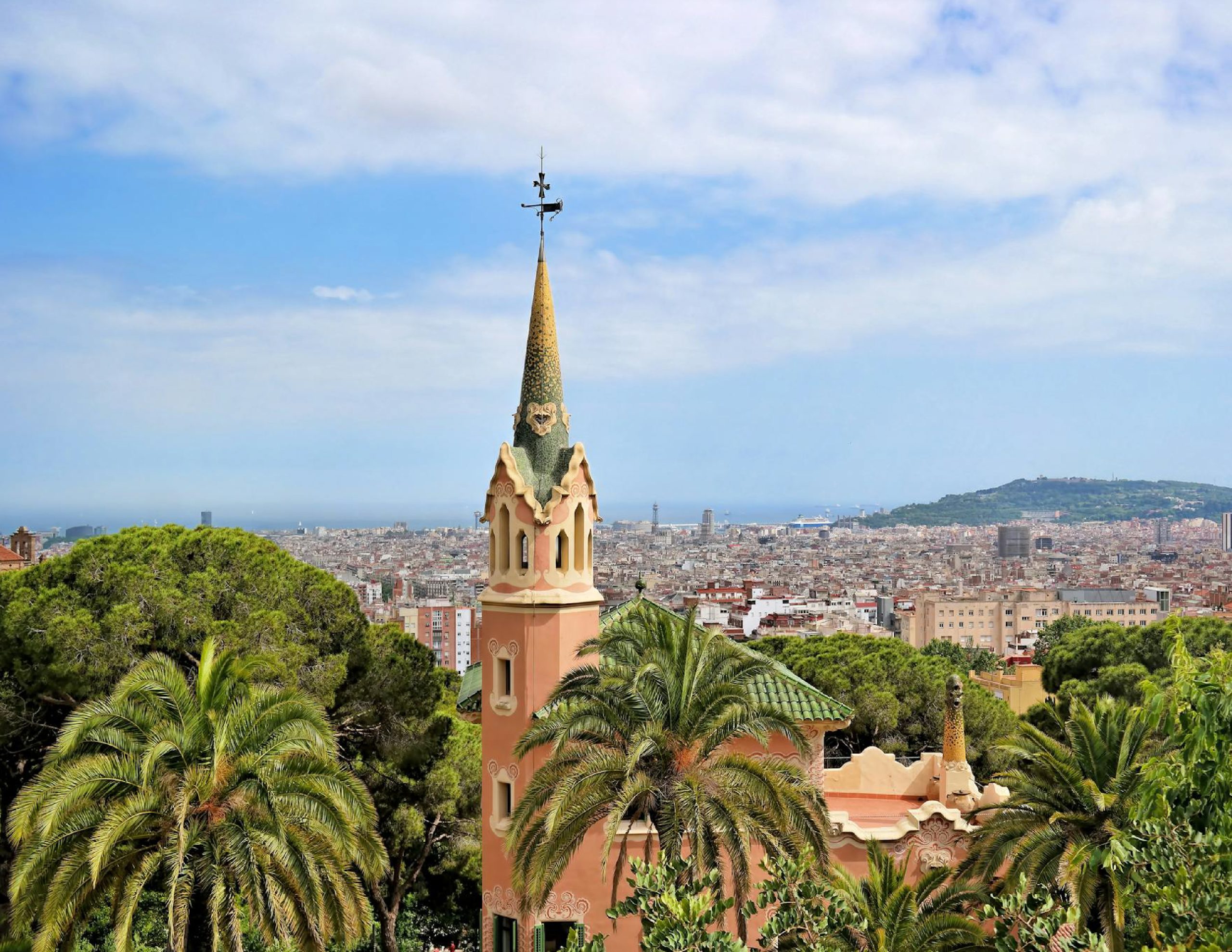
Spain
Scale: Regional
Demographic type: Mixed (urban / rural / peri-urban)
Population: 7,977,132 inh.; 250 inh./km² (2023)
Organisation in charge: Agència de Residus de Catalunya (ARC) – the regional authority responsible for waste planning, legislation, monitoring, and incentives.
Source:
LIFE BIOBEST (2024). D3.1 Guidelines on Separate Collection: Annex 1 — Best Practice Cases on Bio-waste Collection.
LIFE BIOBEST (2024). D3.4 Country Factsheets on the analysis of communication and engagement practices.