
Collection model:
Door to door collection introduced in 2021; 53% of population currently covered. Bring schemes for garden waste (seasonal).
Treatment model:
Kitchen waste: Anaerobic digestion & composting (Zdroje Zeme); Garden waste: Composting (EBA s.r.o.).
Key elements:
Flat-rate waste fee (no PAYT); certified compostable liners (EN 13432) provided; 10-L vented kitchen caddies (apartments) and 20-L brown caddies (single houses); shared 120–240 L brown bins for high-rise buildings.
Evidence of success:
(2022-2023 data) 38% MSW separate collection rate. Kitchen waste: 22–44 kg/inhab./yr. Garden waste: 18 kg/inhab./yr. Impurities: 1.3–2.6%. Coverage > 50% of households.
Awareness and engagement:
Phased communication strategy (2021–2022) starting with the Lamač pilot. Pre-distribution flyers and readiness survey; starter kits distributed by trained staff (door-to-door and designated collection points, with signature on receipt). District-specific leaflets, regular website updates and coordinated district communication plans. Broad multi-channel campaign (press, radio, TV, podcasts, public transport videos). Continuous communication emphasised following initial gaps, including improved year-round outreach and transparent handling of odour complaints.
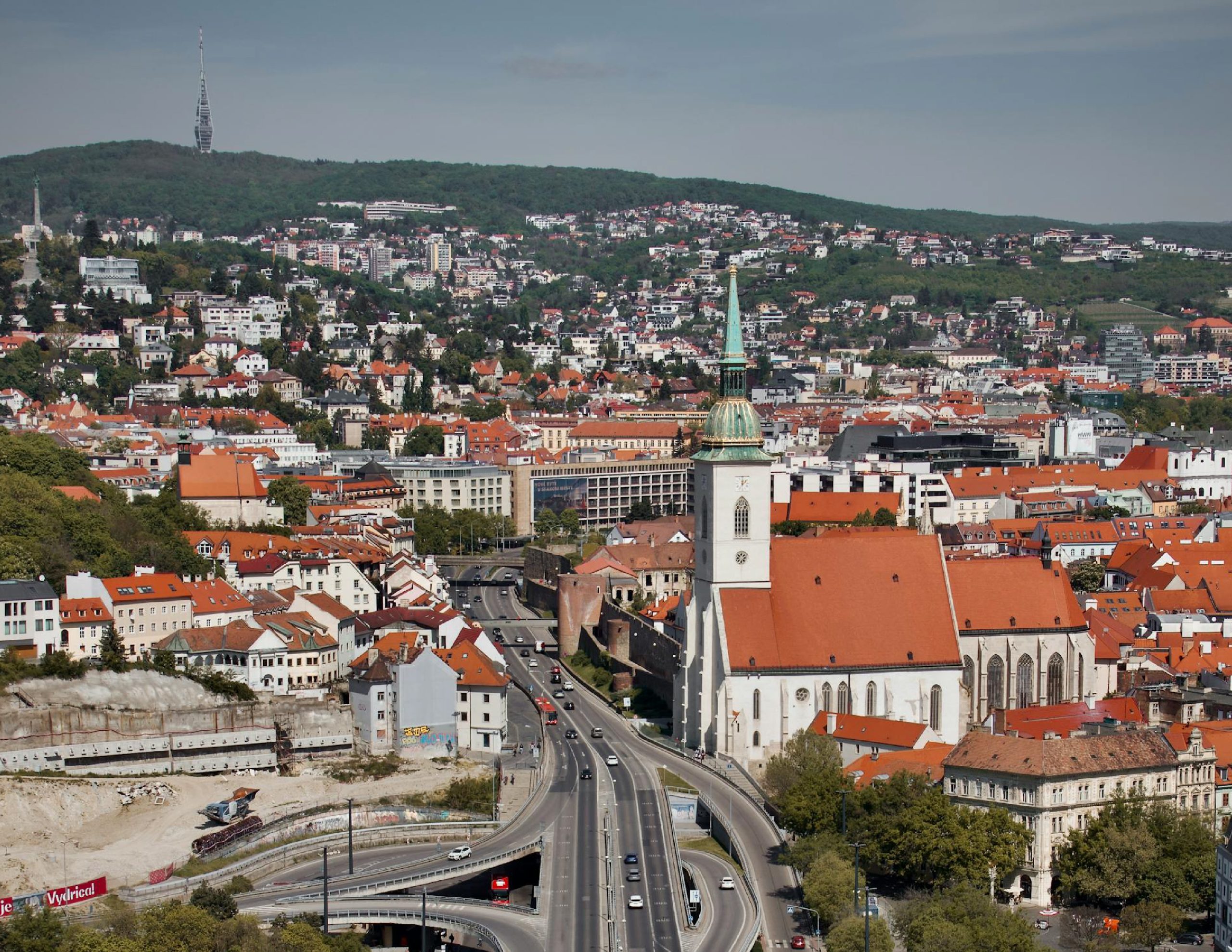
Slovakia
Scale: Local (municipal)
Demographic type: Urban
Population: 475,500 inh.; 1,290 inh./km² (2022)
Organisation in charge: OLO – public waste management company of Bratislava
Source:
LIFE BIOBEST (2024). D3.1 Guidelines on Separate Collection: Annex 1 — Best Practice Cases on Bio-waste Collection.
LIFE BIOBEST (2024). D3.4 Country Factsheets on the analysis of communication and engagement practices.