
Collection model:
Separate collection of kitchen and garden waste using household “Biotonne” bins since 1995; >90% household coverage; bi-weekly door-to-door collection; additional garden waste drop-off points (“Grüngut” system); ~10% home composting.
Treatment model:
Bio-waste treated through composting and anaerobic digestion at the district facility operated by Entsorgungsgesellschaft Westmünsterland. ~10% home composting.
Key elements:
District-wide bin inspection system using yellow/red tagging; refusal to empty contaminated bins; geo-based inspection app and cloud documentation; strong coordination between district and municipalities; promotion of paper bio-waste bags instead of plastic liners.
Evidence of success:
(2023 data) Bio-waste: 198 kg/inhab./yr (~41% of household waste); impurities reduced from 4% to 2% after inspections.
Awareness and engagement:
District communication strategy (~1.3% of waste management budget). Promotion of paper bags and participation in the #wirfuerbio – Kein Plastik in die Biotonne campaign to discourage plastic in bio-waste. Pre-inspection mailings with sorting guides and awareness materials. Bio-waste bin inspections using yellow/red tags with sorting instructions and refusal of contaminated bins. Compost action days and educational programmes for schools and daycare centres (workshops, waste kits, facility tours). Mobile app used for documentation and follow-up inspections. Repeated communication and inspection cycles maintain low contamination levels.
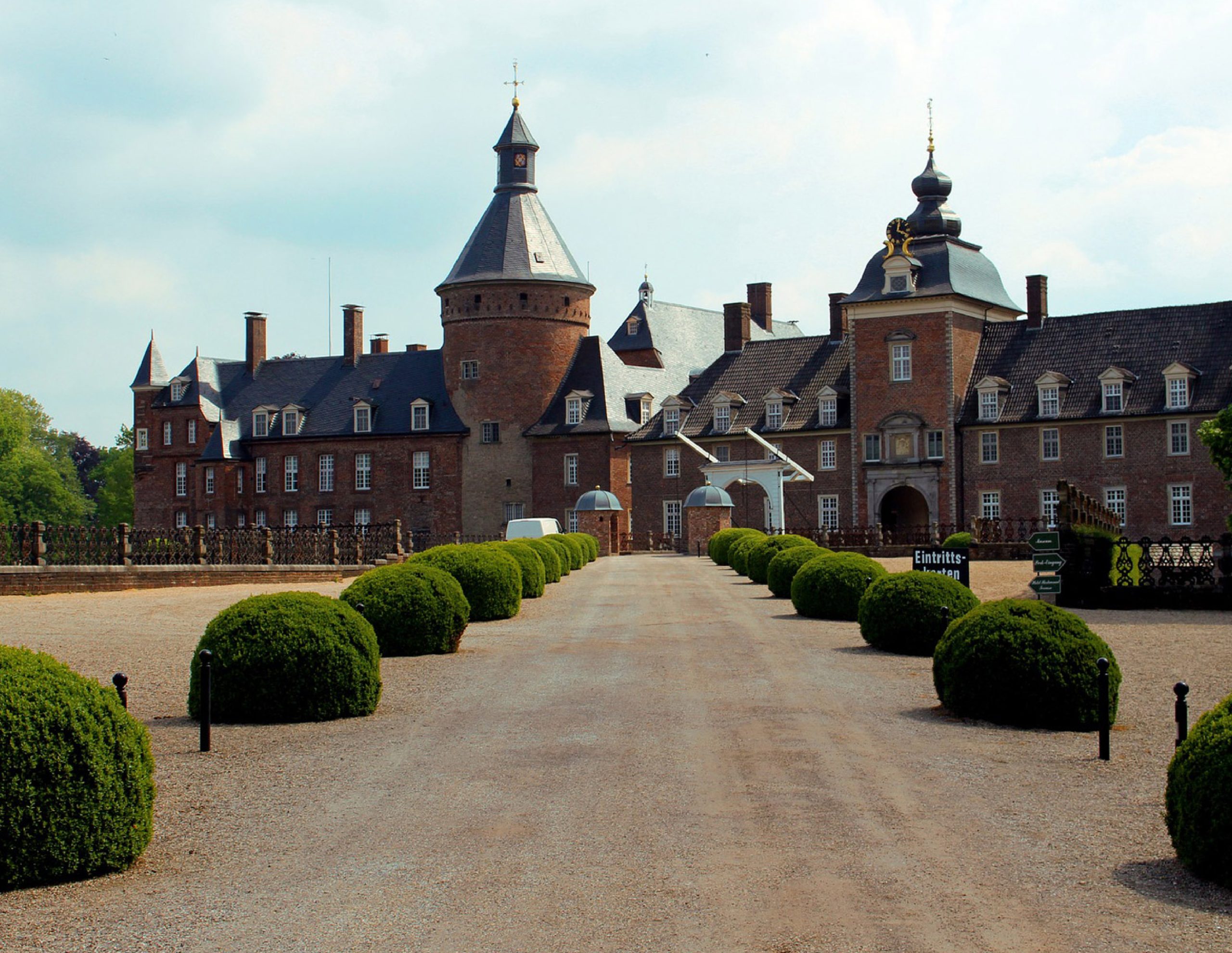
Germany
Scale: Inter-municipal
Demographic type: Rural / semi-urban
Population: 379,000 inh.; 267 inh./km² (2022)
Organisation in charge: Entsorgungsgesellschaft Westmünsterland (district-owned)
Source: LIFE BIOBEST (2024). D3.4 Country Factsheets on the analysis of communication and engagement practices.