
Collection model:
Door-to-door separate collection of food and garden waste implemented since 2014.
Treatment model:
Bio-waste treated at the A2A anaerobic digestion and composting plant (capacity ~100,000 t/year). Process includes mechanical pre-treatment, anaerobic digestion producing biomethane, and aerobic composting of digestate to produce compost.
Key elements:
Integrated collection–treatment system converting bio-waste into biomethane and compost; 10-L compostable Mater-Bi bags introduced in 2023 replacing paper bags; advanced odour-controlled treatment facility; sealed composting halls with air-pressure control; partial energy supply from solar panels; vegetated buffer zone reducing environmental impact.
Evidence of success:
(2023–2024 data) 73.8% MSW separate collection rate. Bio-waste represents 22.6% of total MSW. ~109 kg bio-waste/inhab./yr collected. 9,103,820 kg/year of food and garden waste collected. Treatment plant produces ~8 million m³ biomethane/year and ~20,000 t compost/year.
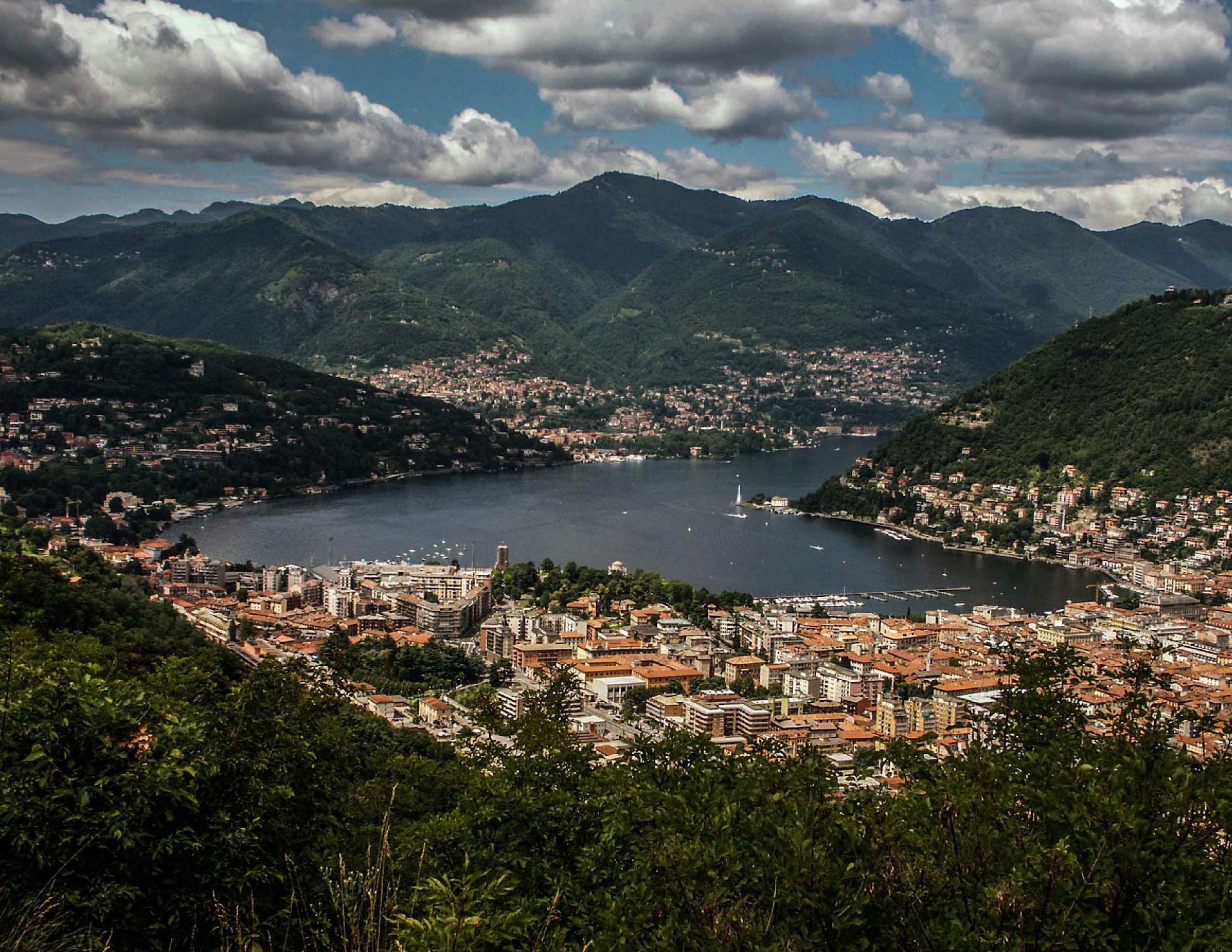
Italy
Scale: Local (municipal)
Demographic type: Urban
Population: 84,774 inh.; 2,284 inh./km² (2024)
Organisation in charge: Comune di Como (City of Como); Aprica S.p.A.
Source:
Municipal Waste Europe (2024). Separate Collection in Como, Italy.
Municipal Waste Europe (2024). Treatment process in Como, Italy.