
Collection model:
Mixed system: community composting in small mountain villages (since 2006; >60 sites) and door-to-door kitchen waste collection in 25 valley towns (since 2015, seasonally adjusted for tourism).
Treatment model:
Community composting on-site (170–185 t organic matter/year, producing ~10 t compost). D-t-D bio-waste treated at Sort composting plant (750 t/year capacity).
Key elements:
Long-term awareness strategy embedded in the system (since 2017); integration of community composting and D-t-D collection; dedicated full-time compost manager and technical support structure; hotline assistance; free kitchen caddies and compostable bags; compost valorisation scheme with local branding (“Compost Pallars Sobirà”).
Evidence of success:
(2022 data) 60% MSW separate collection rate. Bio-waste: 88 kg/inhab./yr (D-t-D) + 26 kg/inhab./yr (community composting). Impurities 2%.
Awareness and engagement:
Communication budget represents 2–4% of county waste expenditure. Targeted rollout activities for each new composting site (teaser leaflets, info letters, neighbourhood meetings, online/on-site training). Dedicated environmental educators provide ongoing user support. Annual awareness campaigns, explanatory videos and multi-platform dissemination (web, social media, WhatsApp). Strong visibility of results through compost distribution events (80 t across 15 municipalities), plant tours and promotion of the “Compost Pallars Sobirà” brand at markets and regional events.
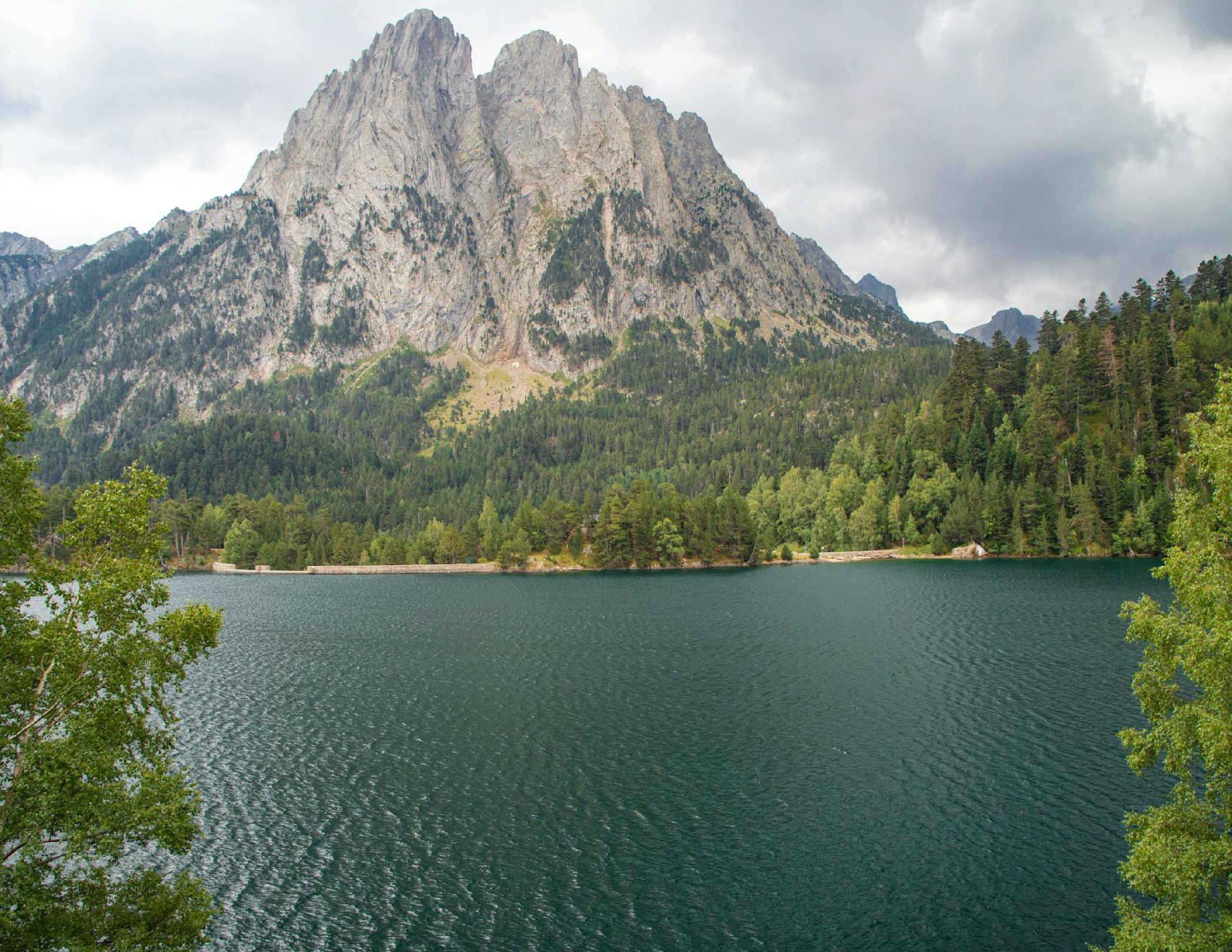
Catalonia, Spain
Scale: Inter-municipal
Demographic type: Rural / touristic
Population: 7,427 inh.; 5.6 inh./km² (2023)
Organisation in charge: Consell Comarcal del Pallars Sobirà
Source: LIFE BIOBEST (2024). D3.4 Country Factsheets on the analysis of communication and engagement practices.